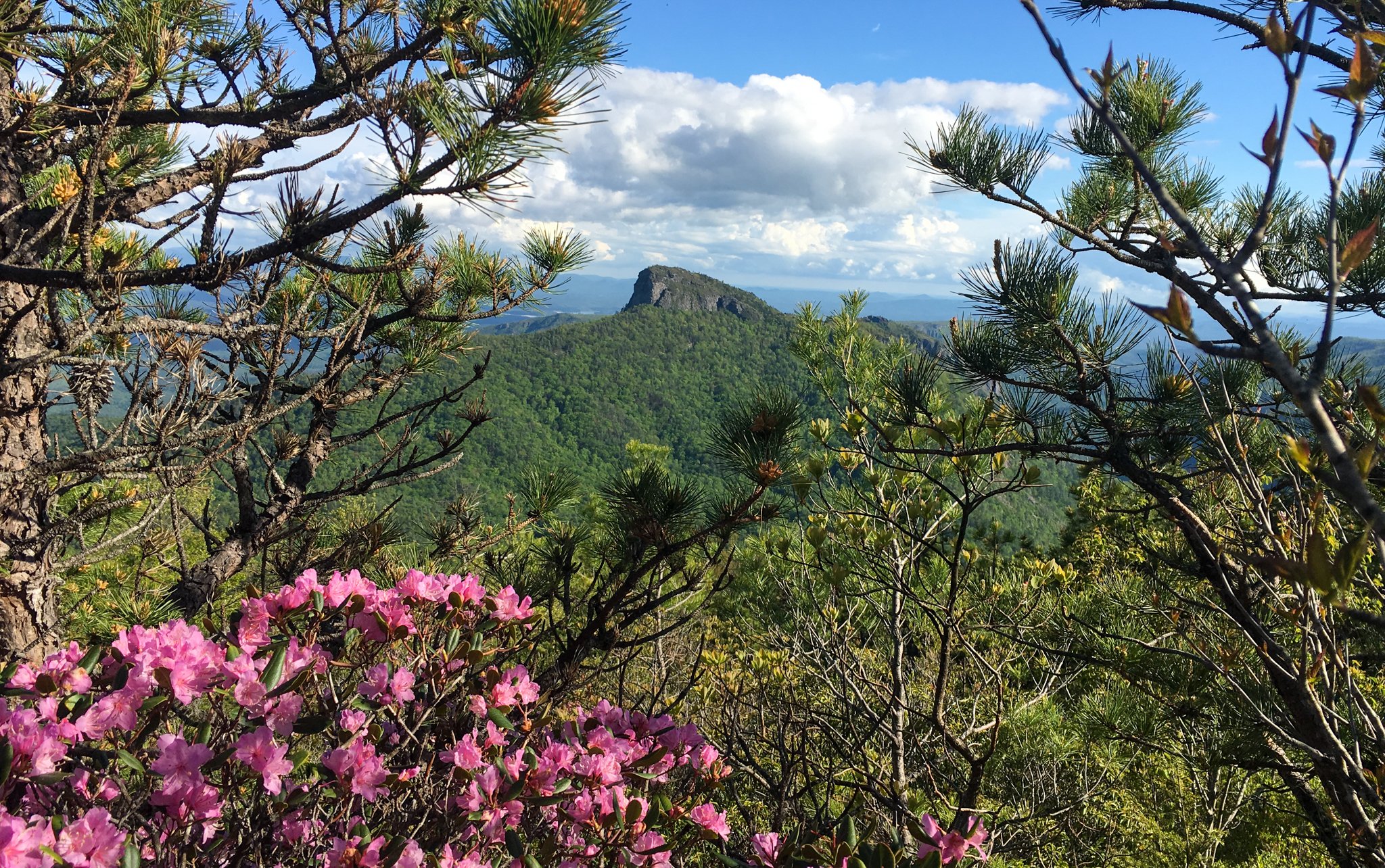
Protecting the Foothills and Blue Ridge Mountains of Western North Carolina
Since 1995, we’ve protected over 70,000 acres,
Forever and For the Benefit of All.
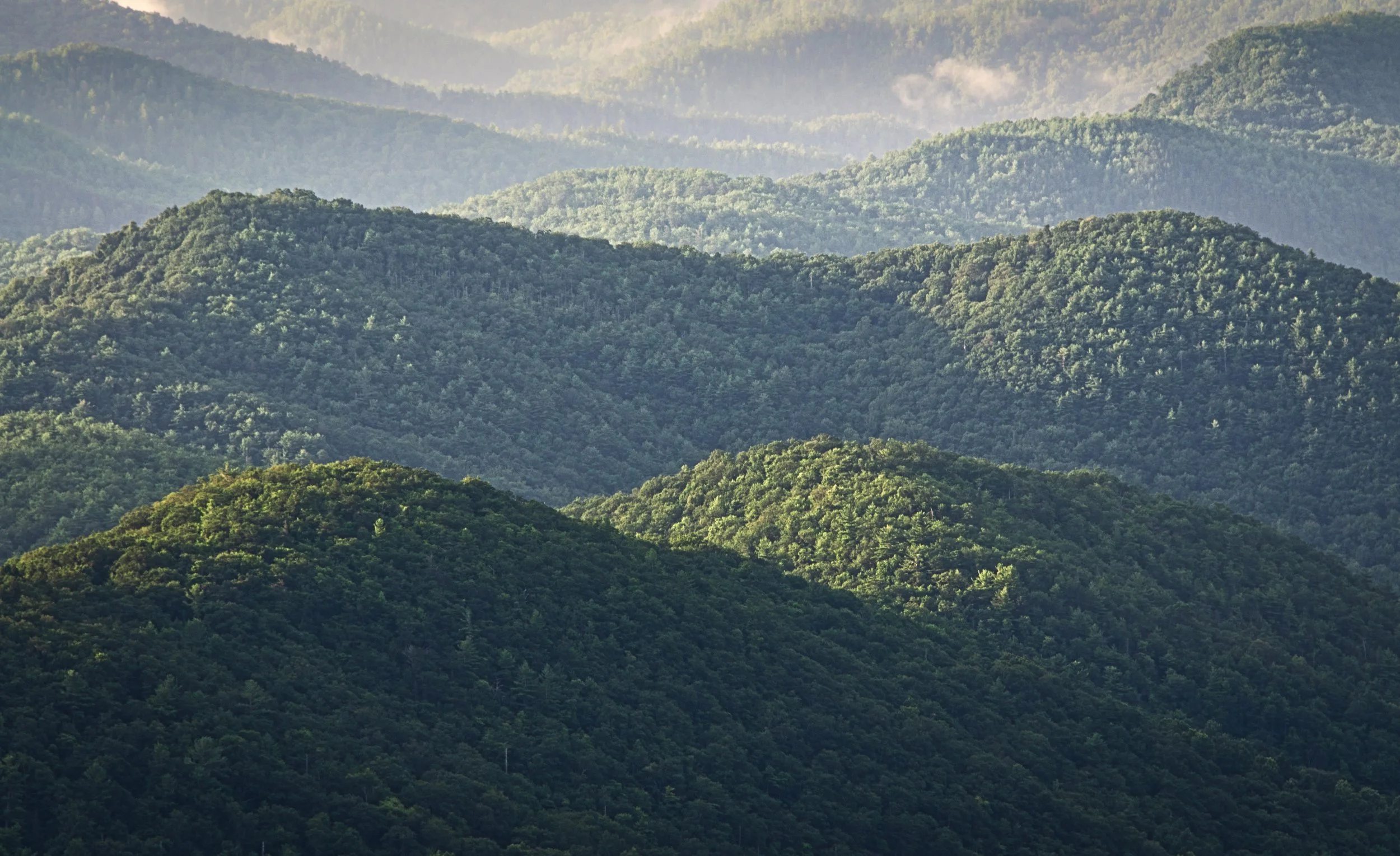
Our Mission & Vision
Foothills Conservancy of North Carolina inspires conservation in Western North Carolina by permanently protecting land and water for the benefit of people and all living things.
Foothills Conservancy envisions a thriving region to live and visit, with clean water, healthy forests, productive farmland, diverse wildlife, access to outdoor recreation, and communities that value conservation.
A 501(c)(3) nonprofit, Foothills Conservancy serves eight counties: Alexander, Burke, Caldwell, Catawba, Cleveland, Lincoln, McDowell, and Rutherford, in three major river basins: the Broad, Catawba, and Yadkin.
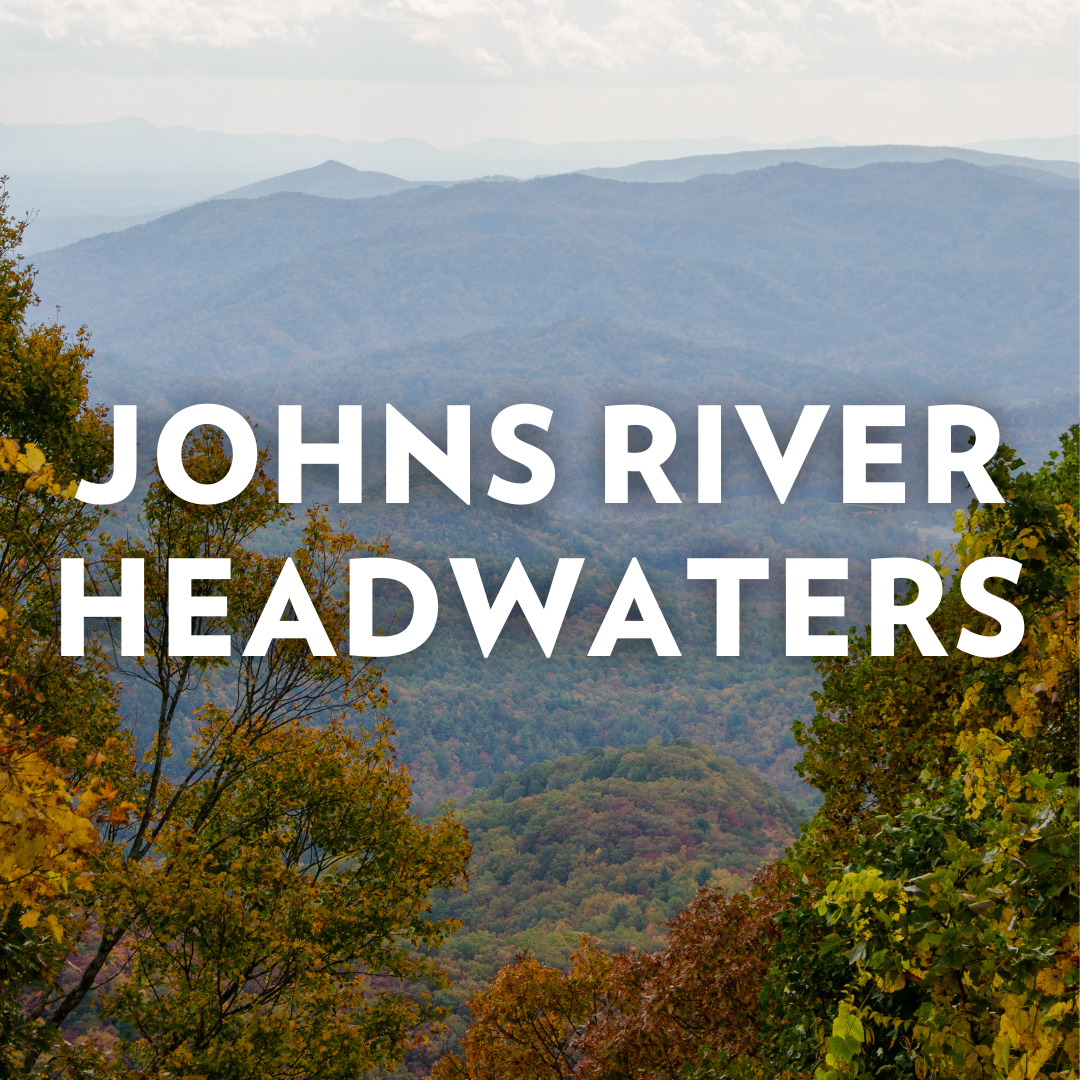
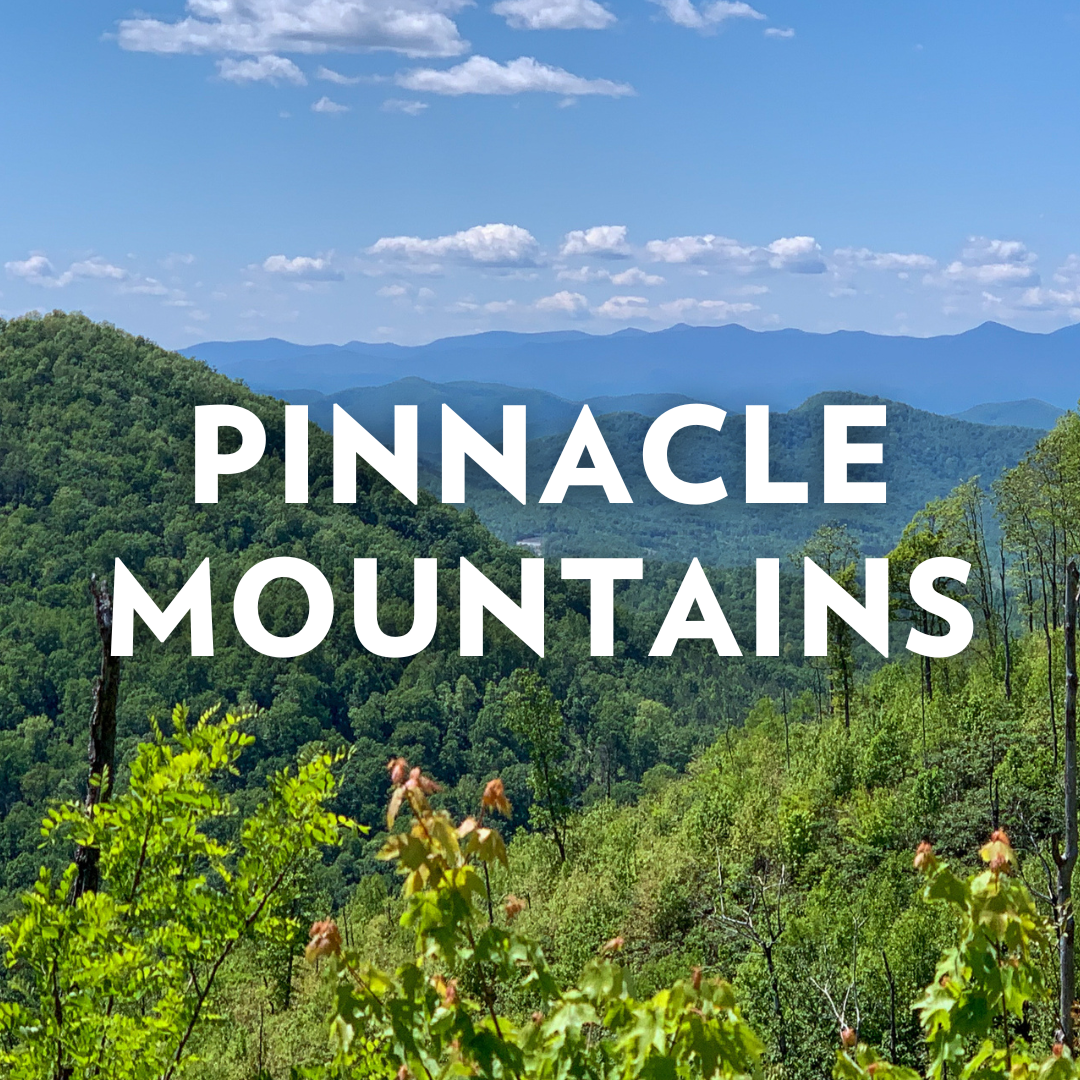
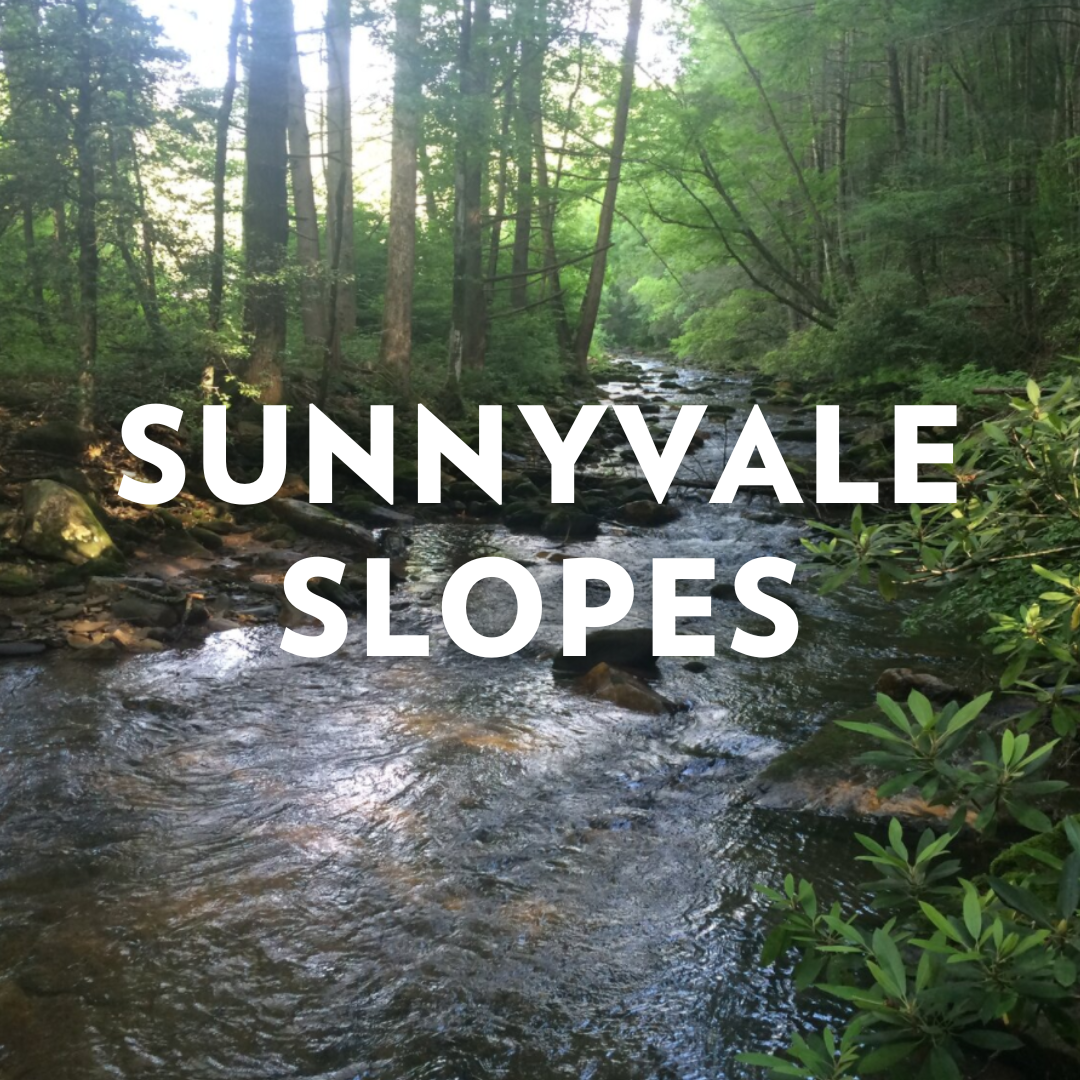
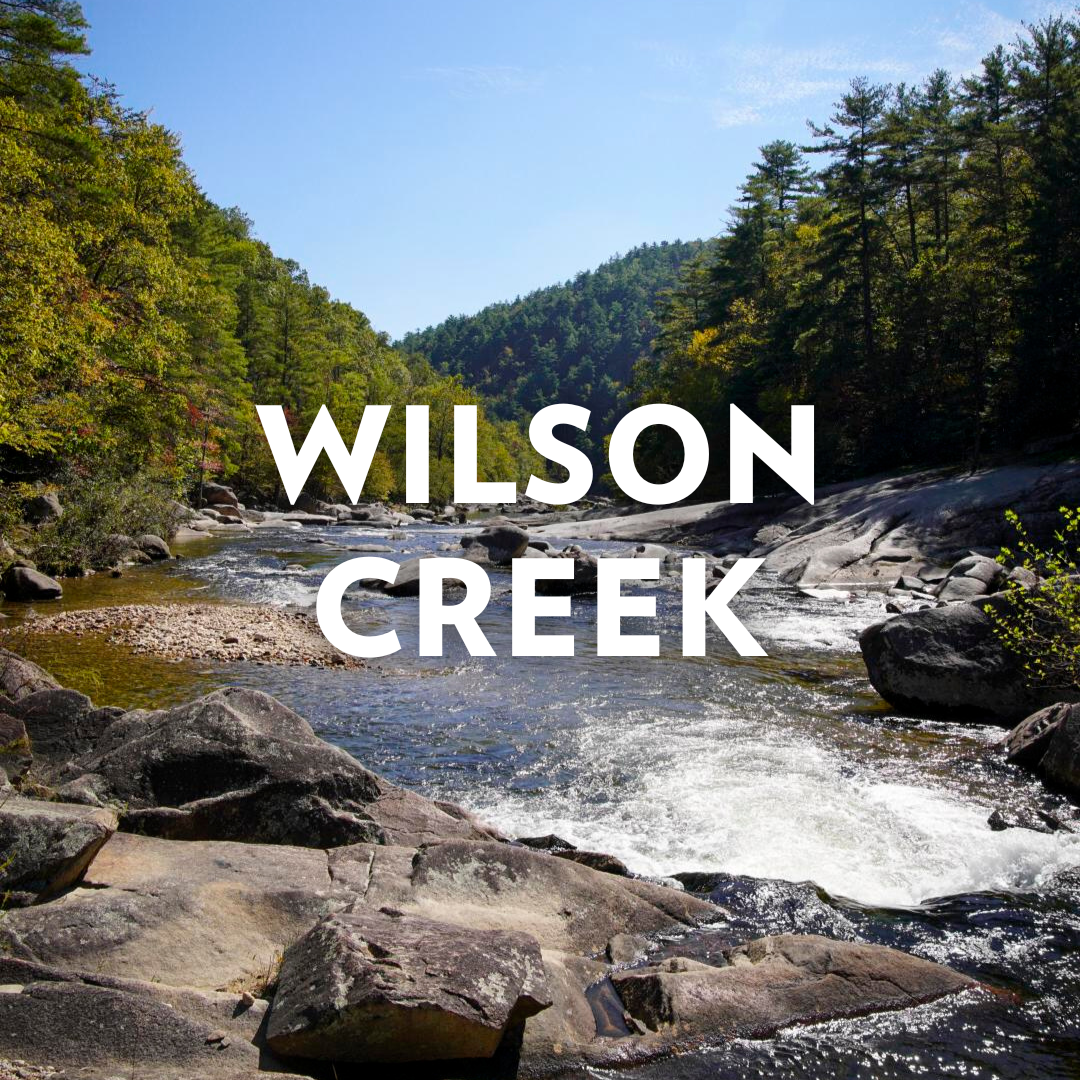
Places Protected by FCNC

Latest Projects
"It has been amazing getting to know this organization, its work, and the staff especially. They are all quality people who are passionate and motivated, and they truly care about conserving our natural environment. I volunteer for the conservancy at the Morganton Farmers Market, and I am moved by how many people love their work and have nice things to say.”
— Caitlin Wahle, Volunteer
"Growing up in this area I always valued the environment and access to outdoor recreation. We give to Foothills Conservancy because they are on the front lines of conservation, doing the important work to secure this region's future.”
— Ray Barnette, Donor & Volunteer
“For almost fifty years, this land has provided a home, a sense of place and no end of wonder. I'm grateful and want to return the favor by offering it the protection it deserves. I'm thankful that Foothills Conservancy is proving to be the perfect partner in achieving that end.”